
Platform2026
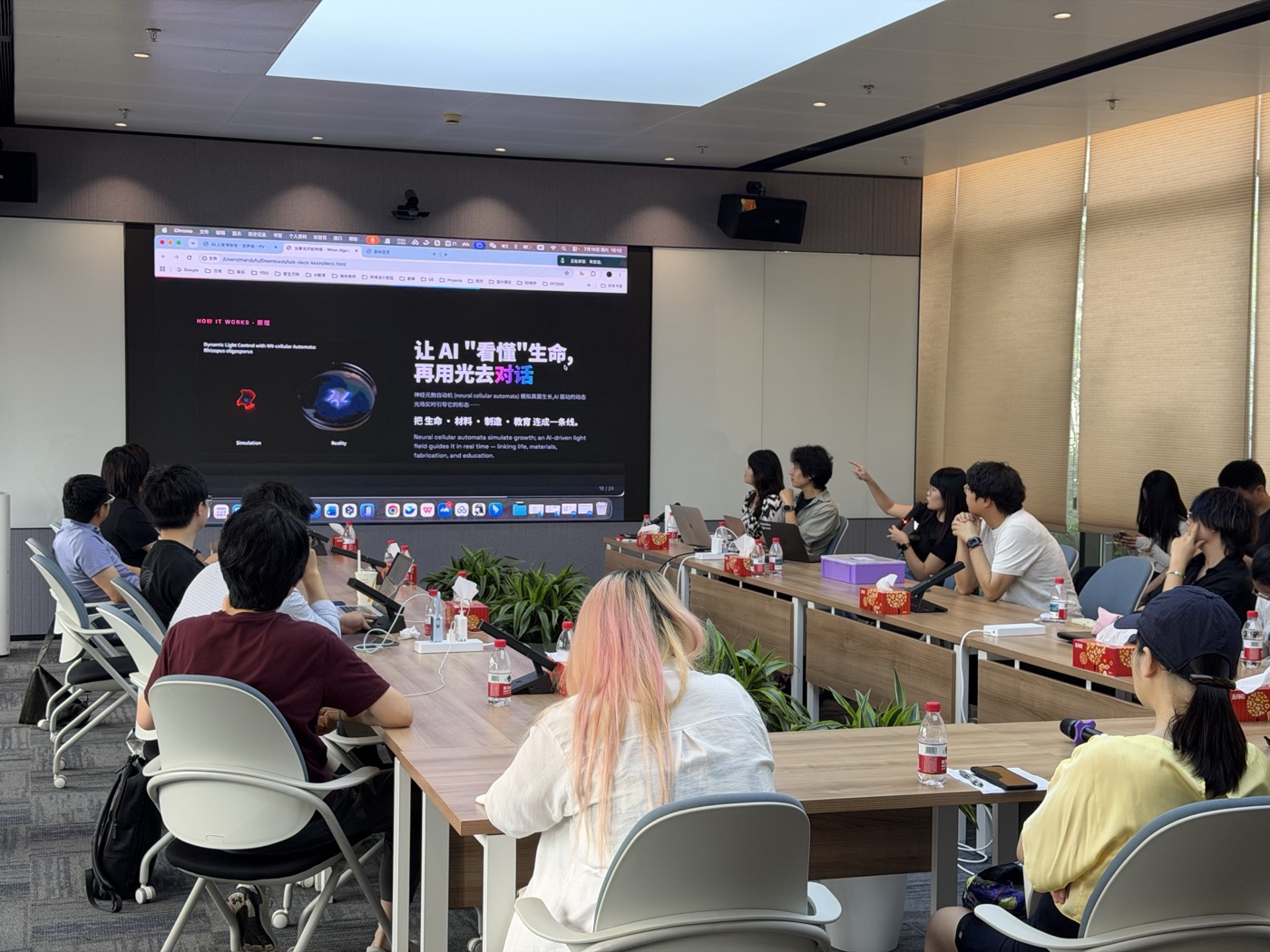
Our curriculum is co-developed with Cultigen, Artineer's AI engine
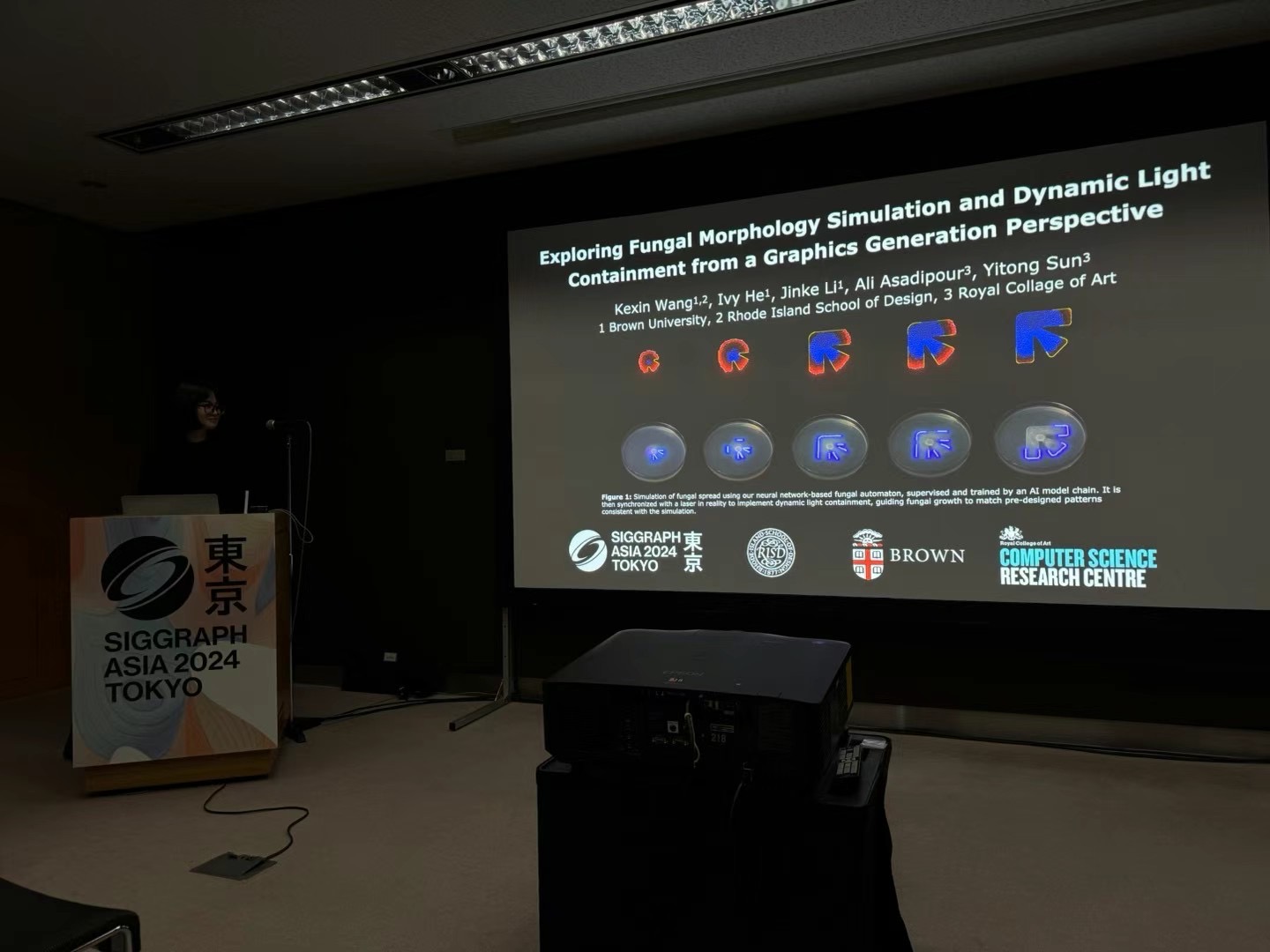
We develop and update our STEAM curriculum together with the AI workflow of Cultigen — our team and the original researchers work alongside the engine, so lessons stay accurate and current as the research behind fungal printing evolves, instead of lagging years behind.
What is Cultigen? Cultigen is Artineer's AI curriculum engine. It helps translate frontier research papers into classroom-ready materials — standards-aligned lessons, interactive digital tools, and buildable kit specifications — always reviewed by the original researchers and our educators for accuracy. It compresses work that once took months into a fast, collaborative process, turning curriculum into a living service that keeps pace with new science.
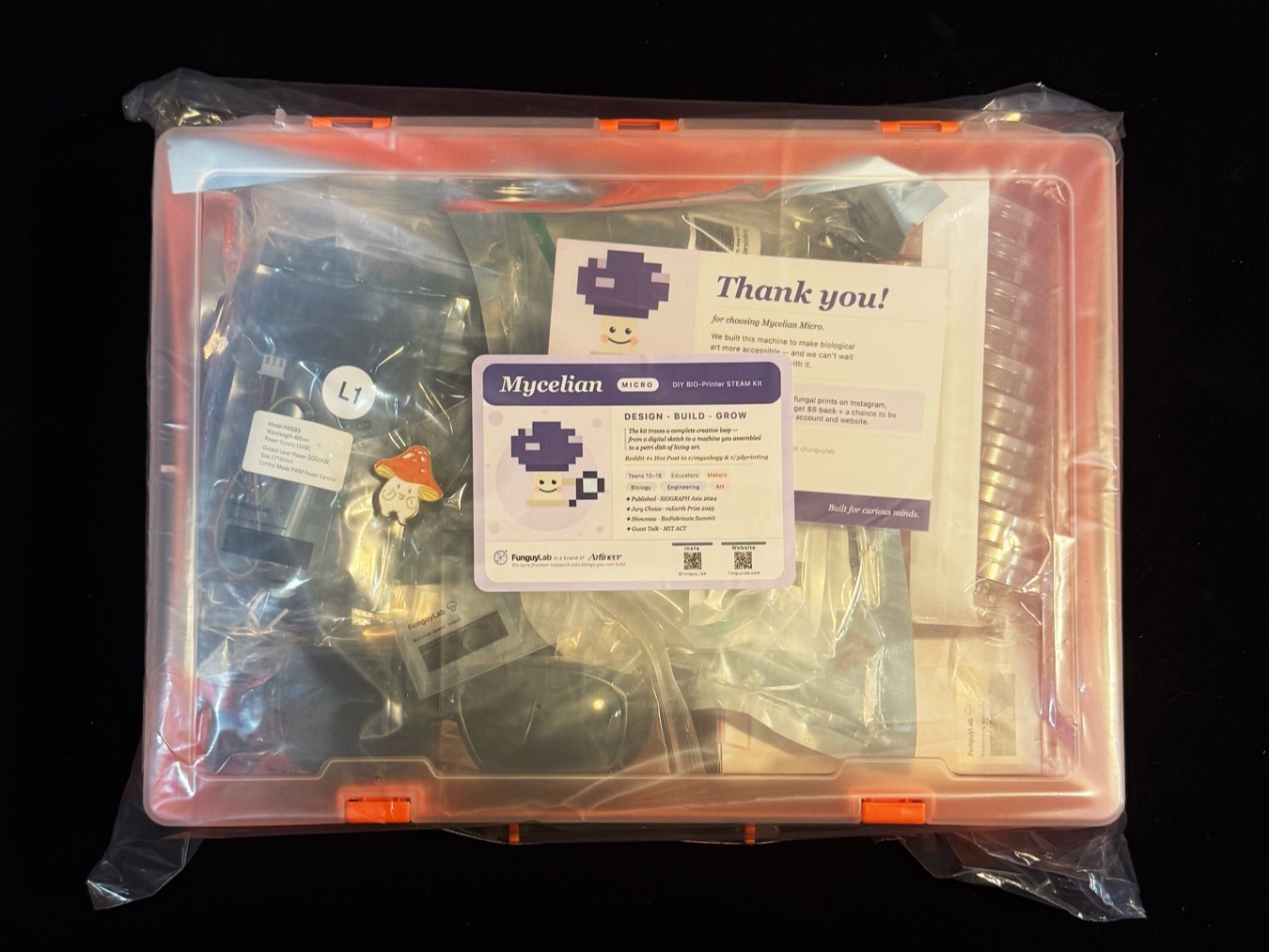
The Mycelian Micro is Cultigen's first product in the world — proof that a peer-reviewed research paper can become a hands-on kit and a full course, shipping to real classrooms. Learn more about Cultigen ↗
In development2026
Bringing fungal-printing photography into the platform
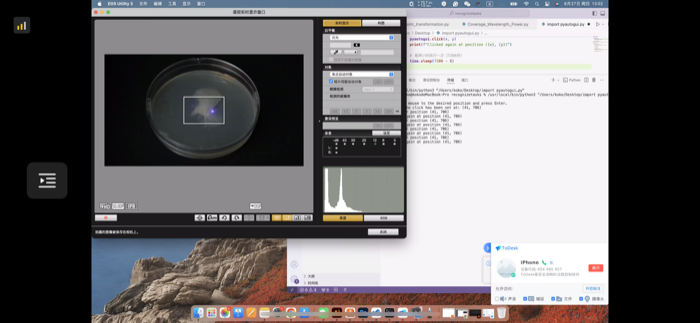
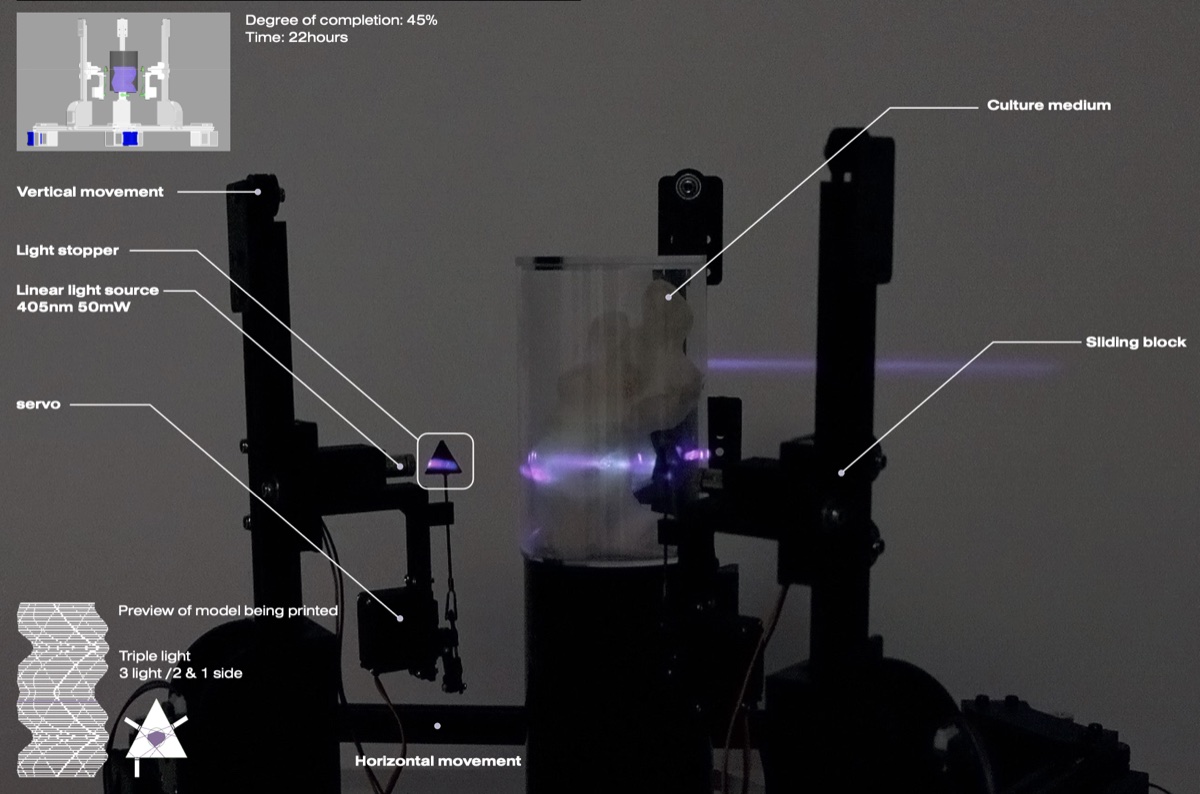
We're integrating photography and time-lapse capture directly into the Mycelian Micro control platform — so documenting a print is part of the workflow, not an afterthought. The goal is to let you monitor a print as it grows, catch problems early over the 1–2 day cycle, and automatically build a time-lapse of the whole process.
- Bring your own camera. We're building support for a range of cameras — from simple USB cameras up to DSLRs — so you can shoot at the quality you want.
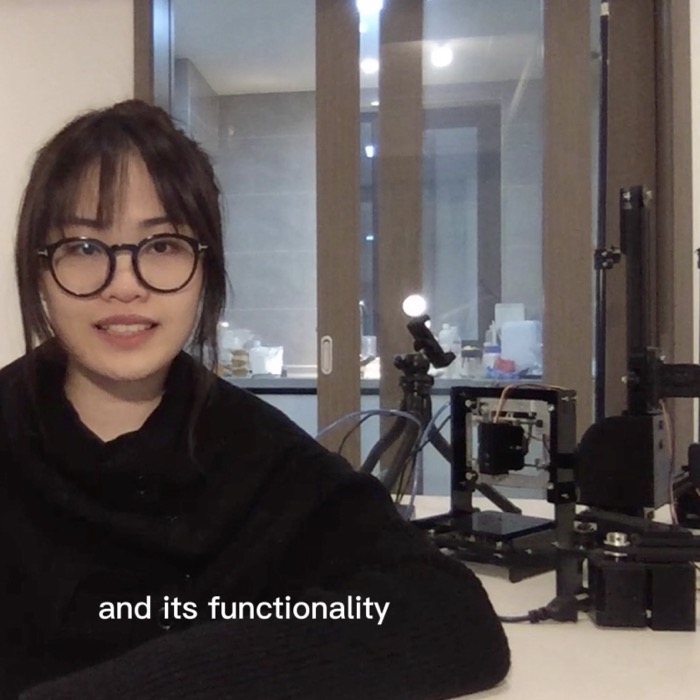
- Our own desktop capture rig. Alongside that, we're developing a compact desktop photography device with a motorized gimbal — preset angles, smooth camera moves, and repeatable shots designed specifically for fungal prints.
The aim: turn every print into a shareable, cinematic record of living science.
Research2026
Beyond one fungus: new species, light behavior & a bio-game
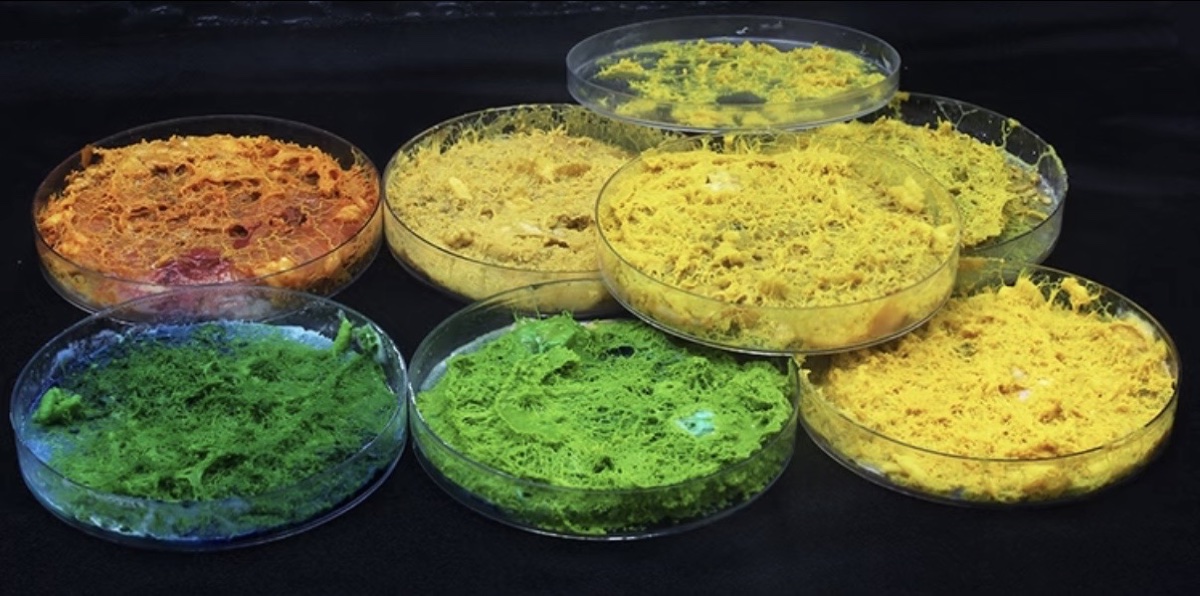
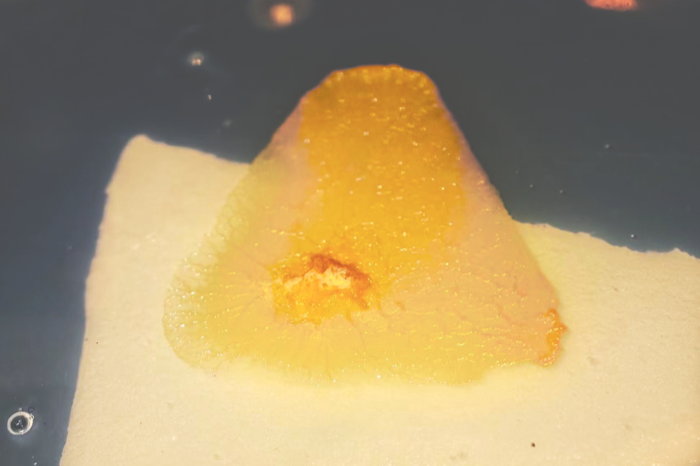
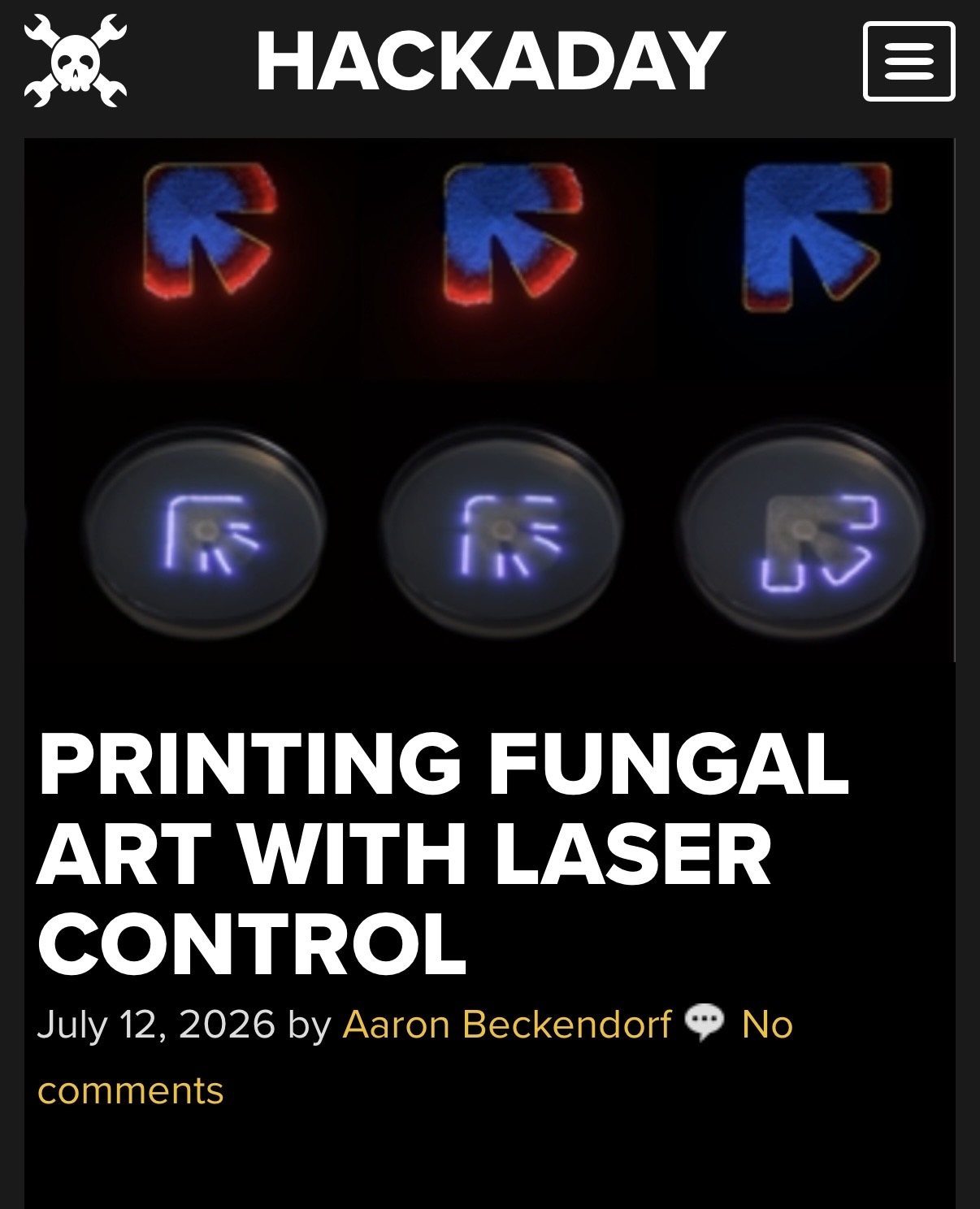
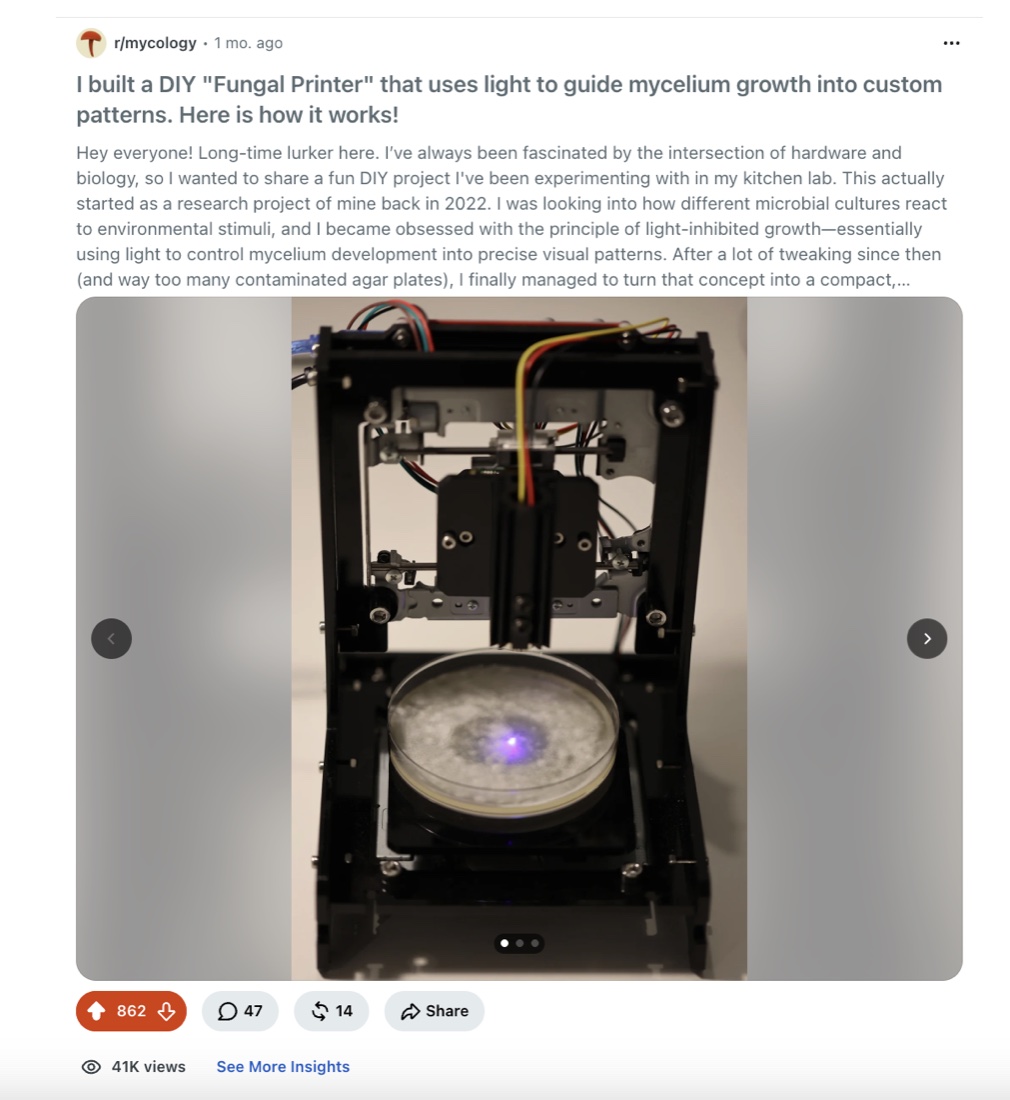
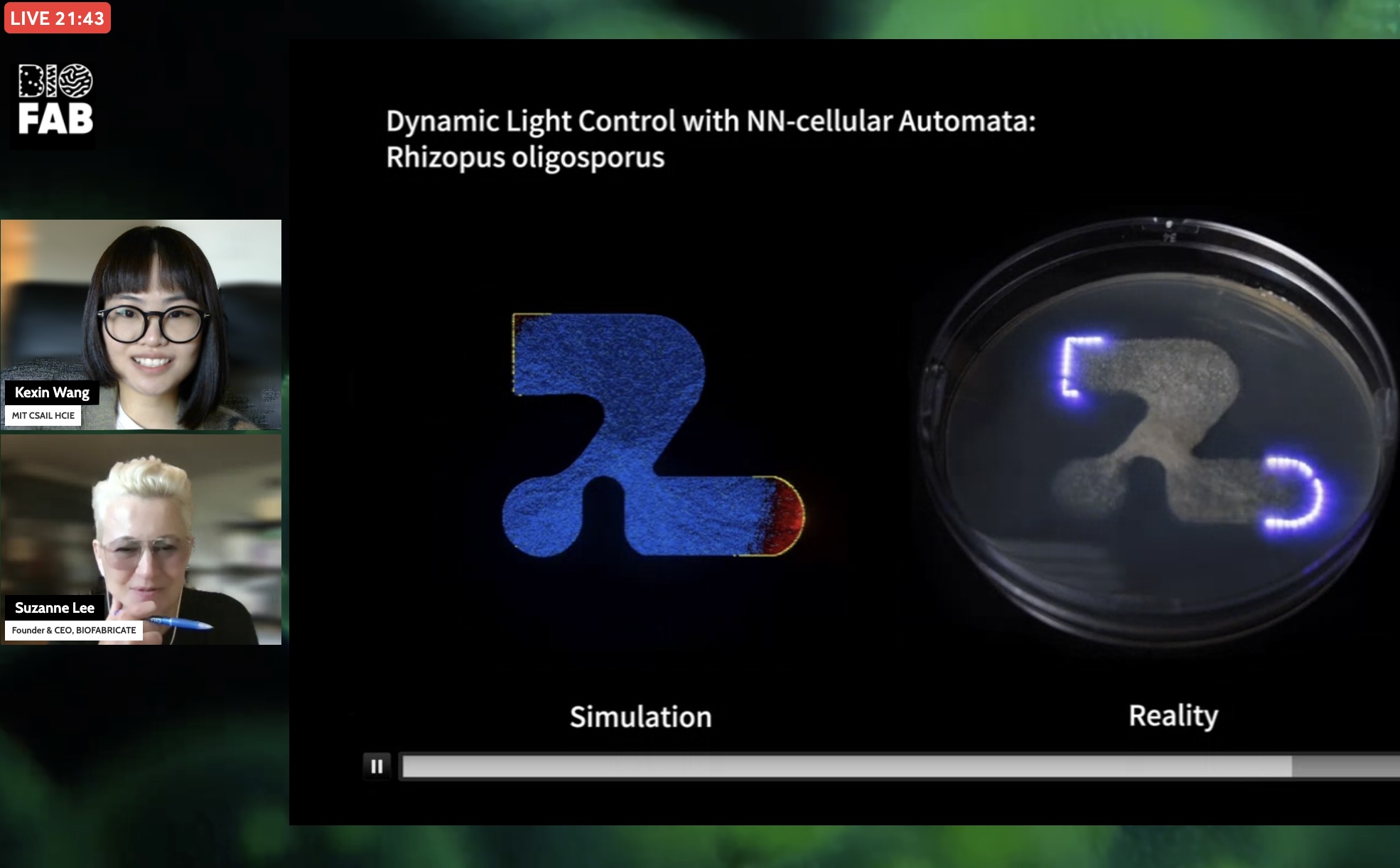
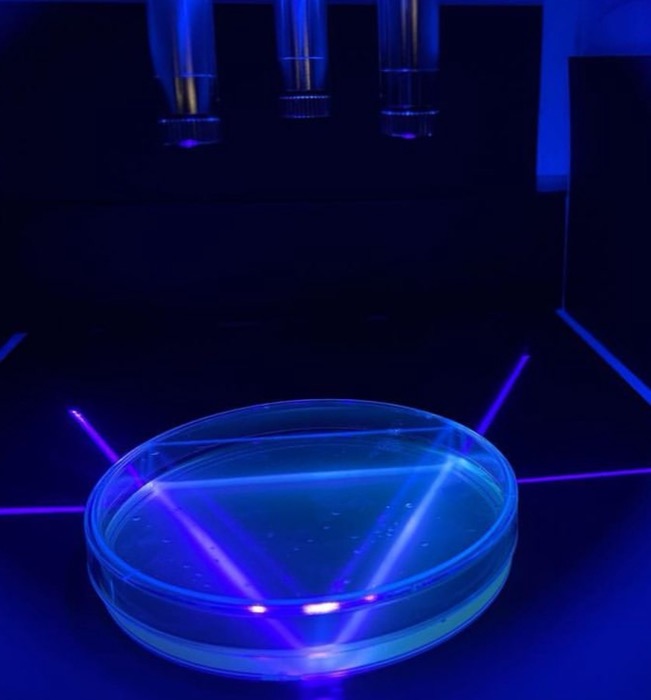
Our light-guided method started with Mucor, but we're actively exploring how far it can go. We're testing our device and technique on other fungal species — expanding what's possible for controlled growth and living art.
We're also studying how light shapes fungal behavior, not just its visual form — how organisms respond to, move with, and are guided by light over time. It's a deeper question than making a picture: it's about interacting with a living system.
Out of that research, we're prototyping a physical bio-game — a playful installation where you use light to interact with living fungus in real time. Think of it as a new kind of interface: part game, part experiment, part art.
Want to collaborate, pilot, or hear more as these ship? Email collab@funguylab.com or follow @funguy_lab.